Inclus in Catalog, Sectiune Filme Romanesti !
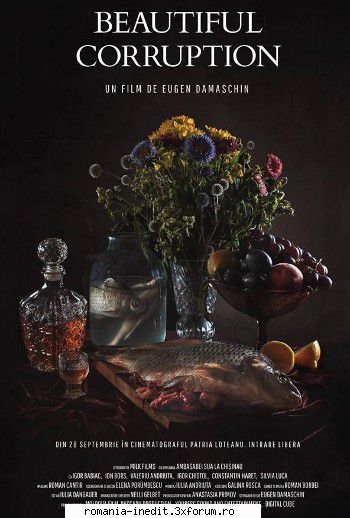
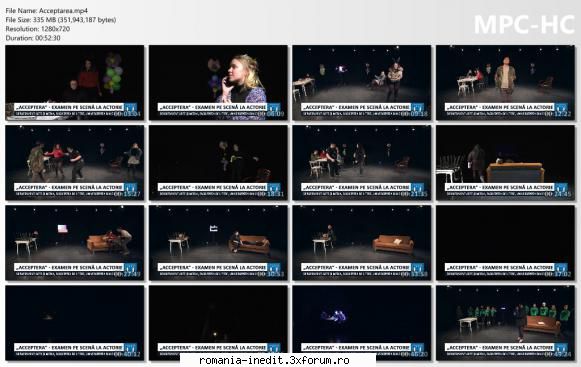
Beautiful Corruption (2018)
Beautiful corruption este un amalgam de istorii bazate pe fapte reale, concentrate într-un singur erou. În goana după dreptate, protagonistul decide să recurgă la niște metode nu tocmai legale. Vizionând filmul, veți afla care este prețul pe care trebuie să-l plătească eroul, pentru a-și face dreptate.
Drama
Regia / Eugen Damaschin
Scenariu / Eugen Damaschin
Distributia / Valeriu Andriuță, Igor Babiac, Igor Chistol, Silvia Luca, Ion Borș, Constantin Haret, Grigore Bechet, Lilia Bejan, Francesca Garbalau, Olga Gutu-Cucu
05.12.2019
40.9KB
08.08.2024
75.3KB
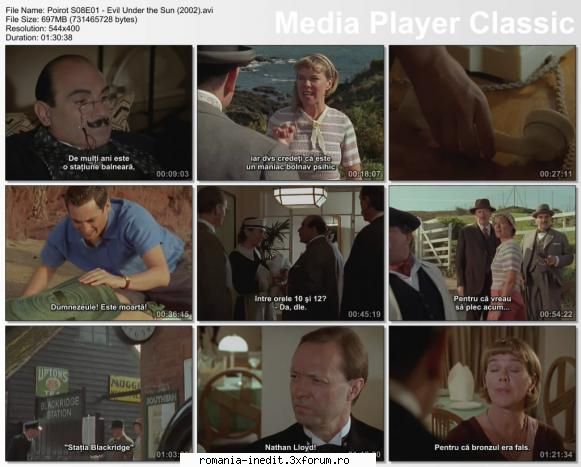
Sezon 8
Episod 1: "Agatha Christie: Poirot" Evil Under the Sun (2002)
romanian subtitle included
no password
17.01.2009
48.6KB
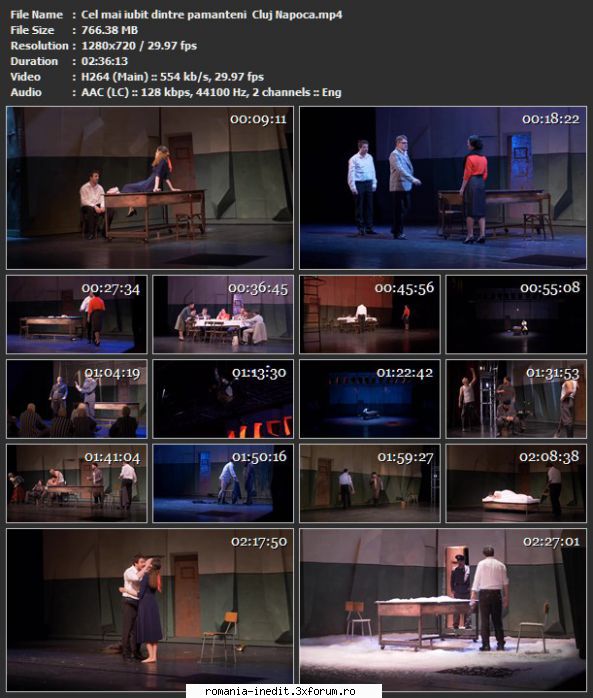
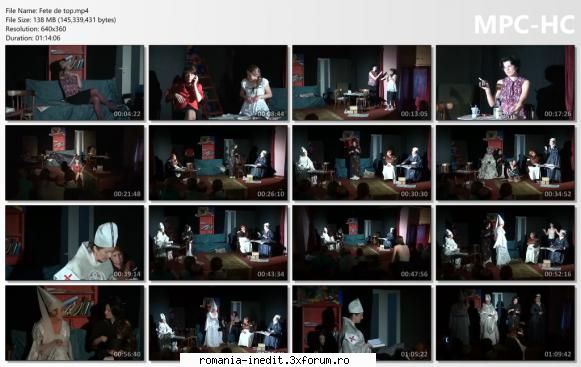
Regie: Gheorghe Hibovski
Distributie: Lagma Constantinescu, Oana Gafița, laura Oprea, Cassiana Pavăl, Irina Potop, Agnes Pribeagu, Irina Raica
21.02.2023
44.6KB
Kid's box- activity book
- pupil's book
Type: pdf
Size: 52 MB
Download:
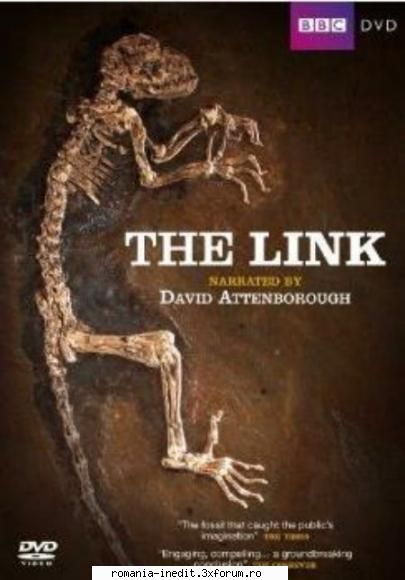
The Link (2009) BBC by David Attenborough - DVD
aka: Uncovering Our Earliest Ancestor: The Link
or: The Link - Uncovering Our Earliest Ancestor
Versiunea DVD încântă şi prin cele 4 extras (în plus faţă de filmul standard de mai sus), care vor aduce o grămadă explicaţii despre Messel Pit (Situl Fosilifer Messel), climatul umed, de saună al lumii Idei, peripeţii ale echipei de filmare, etc.
Extra 01: Ida's World
Extra 02: Discovering Ida
Extra 03: David Attenborough on Ida
Extra 04: Making 'The Link'
Au subtitrare doar în limba engleză, dar dacă aţi văzut deja documentarul, toate extras-urile sunt destul de uşor de înţeles.
Genre: Documentaries
It's time to meet our 47 million year old ancestor...
Millions of years ago, a little girl was born. Now, she's about to change the world. Kept secret for over two years, Ida, as she is known to the researchers who have painstakingly verified her provenance, is the most complete early primate fossil ever found. It's a discovery Darwin would have killed for. With exclusive access to the first scientists to study her, this unprecedented documentary tells the history of Ida and her place in the world.
The Link offers a wide-ranging investigation into Ida and our earliest origins - and the magnificent, cutting-edge scientific detective story that followed her discovery. At the same time, it opens a stunningly evocative window into our past and changes what we know about primate evolution and, ultimately, our own. This film will challenge your idea of what it is to be human.
David Attenborough: The Link (2009)
DVD9 | English | H264 720x576 25fps | AC3 192Kbps | Subtitles: optional English | 5.56 GB
Download from Sharingmatrix:
Attenborough The Link (2009) DVD9.part01.rar
Attenborough The Link (2009) DVD9.part02.rar
Attenborough The Link (2009) DVD9.part03.rar
Attenborough The Link (2009) DVD9.part04.rar
Attenborough The Link (2009) DVD9.part05.rar
Attenborough The Link (2009) DVD9.part06.rar
Attenborough The Link (2009) DVD9.part07.rar
Attenborough The Link (2009) DVD9.part08.rar
Attenborough The Link (2009) DVD9.part09.rar
Attenborough The Link (2009) DVD9.part10.rar
Attenborough The Link (2009) DVD9.part11.rar
Attenborough The Link (2009) DVD9.part12.rar
Attenborough The Link (2009) DVD9.part13.rar
Attenborough The Link (2009) DVD9.part14.rar
Attenborough The Link (2009) DVD9.part15.rar
Attenborough The Link (2009) DVD9.part16.rar
Attenborough The Link (2009) DVD9.part17.rar
Attenborough The Link (2009) DVD9.part18.rar
Attenborough The Link (2009) DVD9.part19.rar
Attenborough The Link (2009) DVD9.part20.rar
Attenborough The Link (2009) DVD9.part21.rar
Attenborough The Link (2009) DVD9.part22.rar
Attenborough The Link (2009) DVD9.part23.rar
Download from Hotfile:
(2009)_DVD9.part01.rar.html
(2009)_DVD9.part02.rar.html
(2009)_DVD9.part03.rar.html
(2009)_DVD9.part04.rar.html
(2009)_DVD9.part05.rar.html
(2009)_DVD9.part06.rar.html
(2009)_DVD9.part07.rar.html
(2009)_DVD9.part08.rar.html
(2009)_DVD9.part11.rar.html
(2009)_DVD9.part12.rar.html
(2009)_DVD9.part13.rar.html
(2009)_DVD9.part14.rar.html
(2009)_DVD9.part15.rar.html
(2009)_DVD9.part16.rar.html
(2009)_DVD9.part17.rar.html
(2009)_DVD9.part18.rar.html
(2009)_DVD9.part19.rar.html
(2009)_DVD9.part20.rar.html
(2009)_DVD9.part21.rar.html
(2009)_DVD9.part22.rar.html
(2009)_DVD9.part23.rar.html
Download from Fileserve:
no pass
Thanks to jihanova!
19.11.2010
32.9KB
foto
28.03.2022
60.2KB
23.06.2023
60.8KB
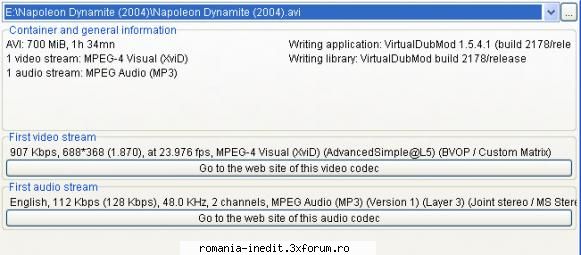
Napoleon Dynamite (2004)DVDrip
Subtitrare in limba romana inclusa
Media info:
12.02.2010
34.7KB
13.04.2023
58.9KB
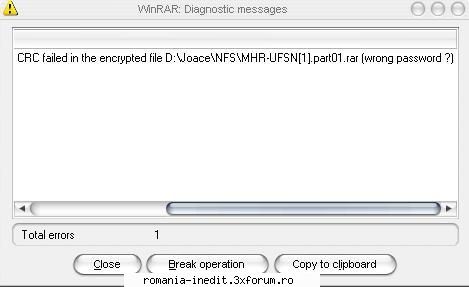
NU merge =( =( =( =( poate are alta parola ptr ca am incercat toate modurile posibile..plss hellp
10.06.2008
18.9KB
:rusine::rusine::rolleyes::nebun:
22.07.2006
14.6KB
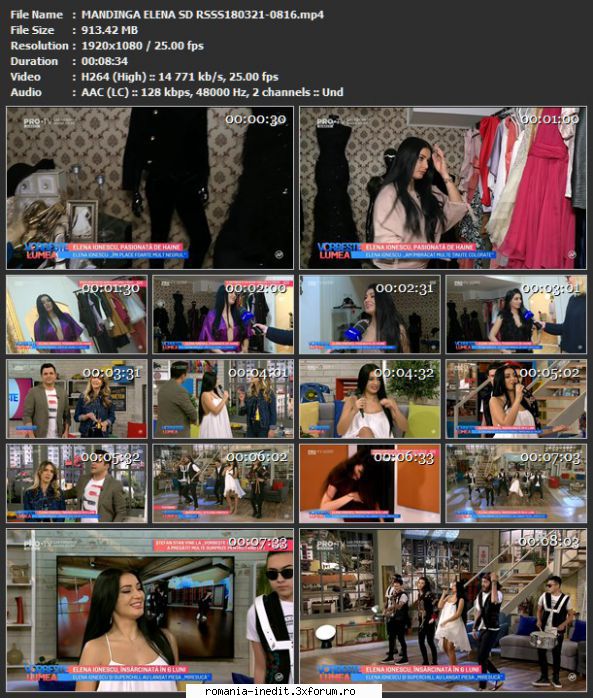
tvrip
01.10.2020
48.8KB
??? Download to your computer ???
16.05.2014
14KB
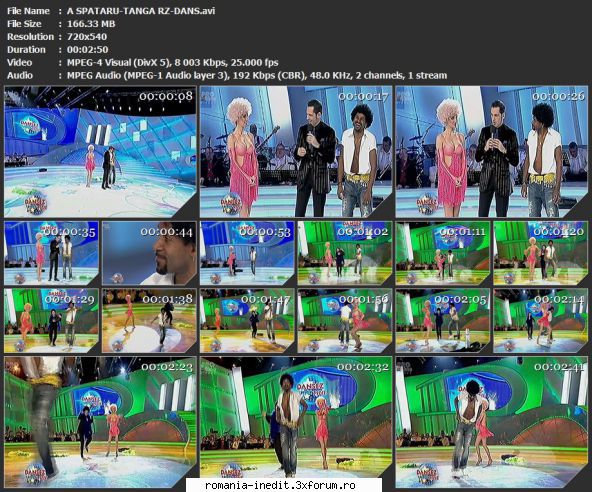
A SPATARU-TANGA RZ-DANS
15.07.2020
94.6KB
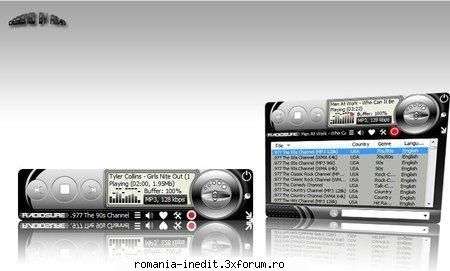
RadioShure 2.0.856
Size: 5.8 MB
Main features:
More than 12000 of stations in the package
Supports most of the internet radio formats - mp3, wma, ogg vorbis, aac+ and so on
Quick and reliable search for your favorite radio stations
Smooth switching between stations including crossfade effect
Recording what you are listening to and packaging it into separate song files
Simultanious recording of multiple stations
Automatic checking for software and radio stations updates
Command line parametes for automatization
Runs on Windows XP and Vista 32 and 64 bit
UNICODE support - all domestic stations are perfectly visible and searchable
and much much more…
30.09.2009
23.4KB
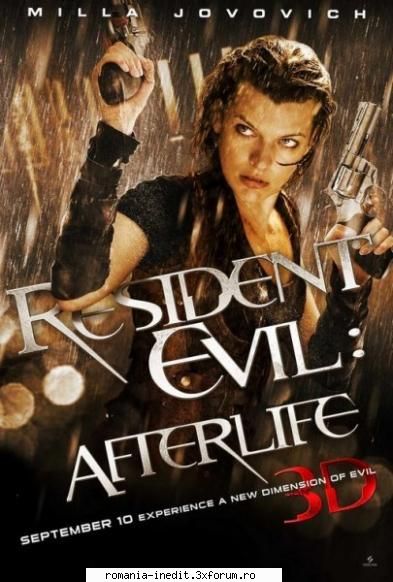
Resident Evil: Afterlife 2010
Info
Plot
In a world ravaged by a virus infection, turning its victims into the Undead, Alice (Jovovich), continues on her journey to find survivors and lead them to safety. Her deadly battle with the Umbrella Corporation reaches new heights, but Alice gets some unexpected help from an old friend. A new lead that promises a safe haven from the Undead takes them to Los Angeles, but when they arrive the city is overrun by thousands of Undead - and Alice and her comrades are about to step into a deadly trap.
Link
Ts XviD REViVE
20.09.2010
49.2KB
Atunci se explica tot :D de ce nu gaseam nimic. Astra este, trebuie cineva din franta sa se duca la una din bibliotecile lor care au colectie de presa si sa scaneze cu un scaner portabil. De cand cu dead internet ca nu se mai intelege unde sunt forumurile de apasionati. Trebuia gasit un forum de asta de la francezi si sa le cerem sa faca asta. La biblioteca lor nationala au sigur toate numerele de Pif. nu stiu daca te lasa sa le scanezi.
Multumesc pentru numarul 1250. de la 1230 pana la 1253 le am pe toate in afara de numerele alea rare. Adica daca-ti trebuie vreo unu da ccred ca le ai deja pe toate.
Pentru Pif Super Comique, am descarcat vreo cateva din threadul asta pe la inceput. dar sunt 177 de pagini si nu inteleg cum sa caut doar in thread nu in tot siteul. sunt 47 de numere am 41 de numere.
nu am numerele
11,18,29,33,42,45
Seria cu coperta asta de am puso in atachement.
08.02.2024
123.1KB
07.05.2025
110.8KB
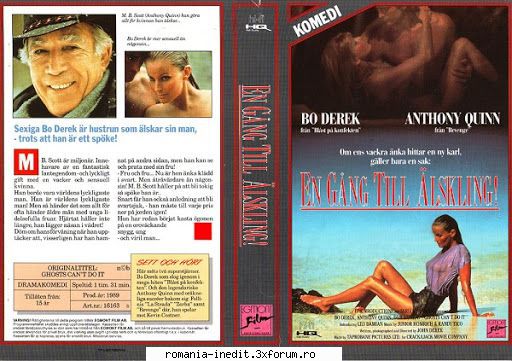
Ghosts Can't Do It 1989
Year:1989
Country:USA
Genre COMEDY
QualityDVDRIP
Language:ENGLISH
Subs
Director:John Derek
Starring: Bo Derek, Anthony Quinn, Don Murray
Elderly Scott kills himself after a heart attack wrecks his body, but then comes back as a ghost and convinces his loving young hot wife Katie to pick and kill a young man in order for Scott to possess his body and be with her again.
08.07.2024
54.1KB
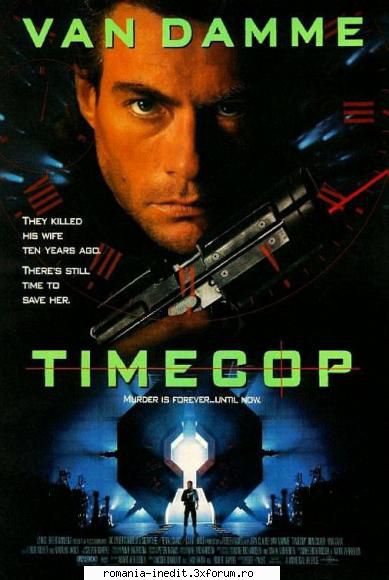
Timecop 1994
Year: 1994
Country:USA
Genre:SCI-FI
Quality: BDRIP
Language ENGLISH GERMAN
Subs:ENGLISH
Director:Peter Hyams
Starring:Jean-Claude Van Damme, Mia Sara, Ron Silver
When the ability to travel through time is perfected, a new type of law enforcement agency is formed. It's called Time Enforcement Commission or TEC. A cop, Max Walker, is assigned to the group. On the day he was chosen, some men attack him and kill his wife. Ten years later Max is still grieving but has become a good agent for the TEC. He tracks down a former co-worker who went into the past to make money. Max brings him back for sentencing but not after telling Max that Senator McComb, the man in charge of TEC, sent him. Max has his eye on McComb...
05.10.2024
39.9KB
20.10.2024
65KB
Yeti Sports:
Code:
25.05.2008
54.4KB
30.10.2008
23.3KB
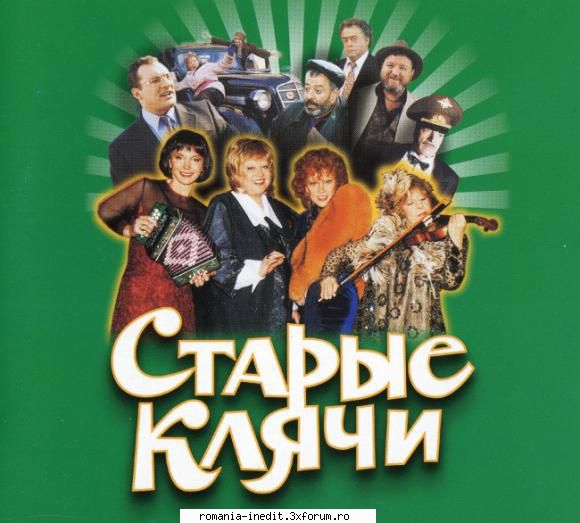
Starye klyachi (2000)
Old Hags
Hoaste batrane
Patru femei de vârstă mijlocie, cu destine diferite, locuiesc la Moscova.
Unul dintre ele, Anna, trebuie să lucreze la o spălătorie auto și este constant supusa insultelor de catre proprietar.
Altă femeie, Lisa, fostă lucrătoare sindicală, lucrează acum intr-o piață.
Proprietarul magazinului de legume o sancționează în mod constant pentru furtul banilor.
O a treia, Masha, fost lucrător feroviar, vinde plăcinte într-un pasaj subteran.
Cea din urmă, Lyuba, o femeie inteligentă, trebuie să vândă ziare.
Toate aceste femei sunt foarte diferite, dar ei împărtășesc un lucru: sunt cei mai loiali prieteni, întotdeauna gata să se ajute reciproc.
Curând, Lyuba se află într-o situație teribilă.
Ea decide să-și vândă apartamentul ei luxos (moștenirea părintească) cu vedere la Kremlin, pentru 100 de mii de dolari și să cumpere o locuința ieftina, undeva la periferia capitalei.
Omul de afaceri Khomenko, ia în mod fraudulos apartamentul lui Lyuba care curand va ajunge pe stradă fără bani și fără locuință.
În disperare, Lyuba a apelat la ajutor și cele trei prietene încep să acționeze.
Femeile decid să-l pedepsească pe ticălosul de Khomenko, compromitandu-i afacerile...
Comedie
Regia / Eldar Ryazanov
Scenariu / Yuri Fyodorov, Vladimir Moiseyenko, Eldar Ryazanov
Distributia / Lyudmila Gurchenko, Liya Akhedzhakova, Svetlana Kryuchkova, Irina Kupchenko, Nikolai Fomenko - Vassily Khomenko, Valentin Gaft, Roman Kartsev, Mikhail Yevdokimov, Timothy Astrakhantsev
DVDRip
Subtitrare / Romana
Audio / Rusa
1,5 GB
Xvid
27.05.2018
49.2KB
s
09.08.2006
18KB
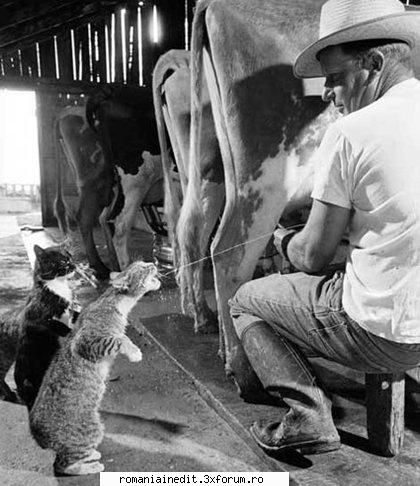
Cats love milk!!
:D
01.02.2007
48.2KB
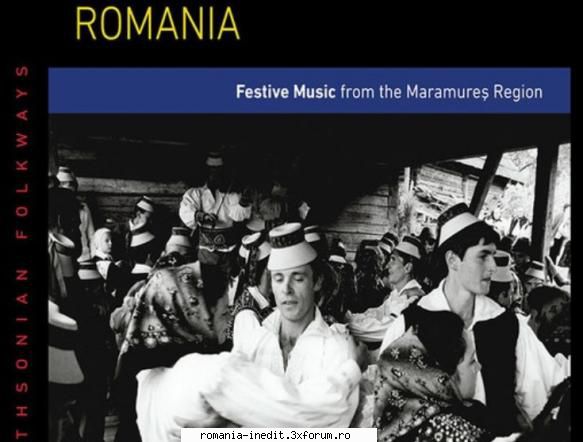
Music from the Maramureș region in Romania released by Smithsonian Folkways (This album is part of the UNESCO Collection of Traditional Music)
This recording is a revised edition of the cassette Hori şi zîcăli moroşeneşti, released in Romania in 1992 under the aegis of the National Museum of the Romanian Peasant, Bucharest, and the Alexandru Tzigara-Samurcaş Cultural Foundation, in the Ethnophonie collection initiated by Horia Bernea and Speranţa Rădulescu.
This album captures the robust music in the Maramureş region of Romania, where the musicians play the fiddle (ceteră), the guitar (zongoră), and the drum (dobă) at large gatherings, annual festival celebrations, and smaller, neighborhood parties. The traditional dancing parties occur regularly in the villagers’ homes, where they make music together impromptu, and have poetic competitions all night long. The live recordings of such a party in Hoteni village oer a taste of this gaiety. Today, these recordings from 1992 carry particular significance because many political and social changes have greatly impacted the region since the 1990s. 60 minutes.
Festive music from the Maramureș region ▶ is an album previously-unpublished volume of the UNESCO Collection of Traditional Music, which was transferred to the Smithsonian to keep the series publicly available.
01 Horea oilor (The song of the sheep) | Petrica Giurgi, Ioan Pop
02 Zîcali de baut (Suite of feast songs) | Petrica Giurgi, Ioan Pop
03 Horea miresei (The ritual bride’s song) | Petrica Giurgi, Ioan Pop, Marcel Seras
04 Music to accompany the marriage ceremony | Petrica Giurgi, Ioan Pop, Marcel Seras
05 Hore din Saliste (Song from Saliste) | Petrica Giurgi, Ioan Pop, Marcel Seras
06 Suite of dances | Nicolae Griguta, Ioan Pop, inhabitants of Hoteni, Valeni, and Poienile Izei villages
07 Music for dancing and singing | Nicolae Griguta, Ioan Pop, inhabitants of Hoteni, Valeni, and Poienile Izei villages
08 Suite of songs (hori) and feast songs (de baut) | Nicolae Griguta, Ioan Pop, inhabitants of Hoteni, Valeni, and Poienile Izei villages
09 Suite of songs and dances | Nicolae Griguta, Ioan Pop, inhabitants of Hoteni, Valeni, and Poienile Izei villages
o1 Horea oilor (The song of the sheep) Men dancing the bărbăteşte in the village of Hoteni
02 Zîcăli de băut (Suite of feast songs) village of Hoteni.
03 Horea miresei (The ritual bride’s song)
04 Music to accompany the marriage ceremony
a) Horea drumului (The procession song) 0:00–1:25
b) March 1:26–3:53
c) Bărbăteşte (Men’s dance) 3:54–6:09
05 Hore din Sălişte (Song from Sălişte)
6–9. Feast music recorded on site, during a family and friends party 38:49
06 Suite of dances
a) Baraboiul (The chervil) 0:00–1:49
b) Bătuta (Stomping dance) 1:50–3:40
c) Ardeleanca (Transylvanian dance) 3:41–5:25
d) Coasa (Scythe) 5:26–6:39
07 Music for dancing and singing
a) Bărbăteşte (Men’s dance) 0:00–3:44
b) De învârtit (Whirling dance) 3:45–6:57
c) Zîcăli de jucat prin casă (Tunes to be danced to indoors) 6:58–9:55
08 Suite of songs (hori) and feast songs (de băut) 9:43
a) Hori prin casă (Indoor songs) 0:00–3:42
b) Zîcăli de băut (Suite of feast songs) 3:43–9:43
09 Suite of songs and dances
a) Hori prin casă (Indoor songs) 0:00–7:26
b) Jocuri de învârtit (Whirling dances) 7:27–10:15
c) Horea căsii (The home song) 10:16–12:32
This music was recorded in 1992, two years after Romania in cooperation with Jacques Bouët had started to slowly distance itself from the totalitarian communist regime imposed by the USSR after World War II. The liner notes were written at the time and present an accurate reflection of the musical life of Maramureş in the early 1990s. In the section "2012: Twenty Years Later," the authors have added a few sentences about the changes that have taken place in society and the music of the last two Dancing party in Hoteni. decades. The readers should know that, however robust the music of Maramureş might have been at the end of the last century, it has been unable to avoid the commercial pressures leading to standardization, fusion with other local traditions, and the adoption of electronic nstruments, to which most traditional musics of the world are subjected today.
Community life in a Maramureş village at the time of these recordings
It is no accident that the communists never completely succeeded in establishing collective agriculture in Maramureş; though by nature friendly and hospitable, its people can show a stubborn and inflexible opposition to anything perceived as a threat to their community life. They are hard workers, full of energy and enthusiasm. The natural beauty of the countryside, with its hills and minor mountain ranges and lovely houses, combined with the character of its inhabitants, makes Maramureş one of the most picturesque regions of Romania. Religion is still important here: churches, whether Orthodox or Uniate, are full every Sunday, while certain pre-Christian practices still find a place in peoples’ lives.
The basic livelihoods of the region are raising livestock, agriculture, forestry, and mining, but over recent decades these have proved insuficient to support an ever-increasing population, and many men upplement their income by seeking summer agricultural work in southern Romania, particularly in the Banat region. Although they willingly face the hardships of exile and wage-labor to maintain living standards at home, few would contemplate a permanent absence from their villages. Departure is always undertaken with the firm intention (which outside factors may of course subsequently modify) of an eventual return to the community, the only place where a decent life is to be had. These attitudes are evidenced by the many villagers who still live in the traditional wooden houses with their magnificently carved front gates, and attend church in traditional attire on feast days, greeting those who pass not with the trite
"Bună ziua!" (Good day!) but with "Lăudăm pe Isus!" (Praise the Lord!), to which the person addressed should reply "In veci amin!" (Forever amen!). God (the Christian God, but as perceived by popular piety) is frequently invoked in village conversation.In Maramureş even the small market-towns have a "countrified" atmosphere. Women spin, weave, embroider, and handcraft wooden utensils (plates, cutlery, bowls, etc.), which command a lively trade. Various ancestral practices have survived in the context of certain calendar festivals.
Left-handed Ioan Pop (left), vocalist and guitar player (tracks 1-9), playing the violin (ceteră) together with Grigore Chira (zongoră)
The end of spring agricultural work is marked by the Tânjaua festival (the word denotes the central shaft-pole by which oxen are harnessed to a plough), while the spring assignment of sheep and shepherds to new sheepfolds gives occasion to the Sâmbra oilor gathering. Needless to say, the young people’s Sunday dance is still a living tradition as well.Musical activity and its environment in the early 1990s Everyone sings almost everywhere. Young people sing in full voice, while doing household work or farming and in their leisure time. Sometimes they sing in the streets, walking with arms entwined or around each other’s shoulders. Girls
sing when they are together or when they are alone, at home and in the fields. Married women show more restraint but, during wedding rituals and at domestic parties (băute) among relatives, friends, and neighbors, they break loose in a frenzy together with the young girls. Women are the principal repositories of lullabies, funeral laments, and the long song horea lungă (discussed on page 8). Men prefer singing at the pub.
Today most of the local musics are practiced in the context of a banquet—weddings, baptisms, merrymakings ending collective work (clacă)—or domestic parties (băute). The voices of the singers (and indeed the general atmosphere) are "warmed up" by an instrumental accompaniment consisting of a lead fiddle (called ceteră), a plucked guitar with a special tuning (zongoră), and a drum with cymbal (dobă) struck with a padded stick and a metal tool respectively. All the musicians are called ceteraşi (fiddlers), the same name as the violin players. These ceteraşi (usually professional or semi-professional musicians) display considerable skill and sensitivity: they can keep the party guests singing and dancing for hours, without showing the least fatigue or decline in the quality of their performance. Sometimes they are Romani people, but this is less often the case in Maramureş than in other regions of Romania. The guests sing or shout out to encourage the ceteraşi, using Young drummer during a dancing party in the village of Hoteni. phrases such as:
Ceteraş cu patru strune
După tine-aş mere-n lume
Fiddler with four strings
I’d follow you everywhere you play
Ceteraşul zice bine
Dar dobaşu-i mare câne
The fiddler is good
But the drummer’s even better
Fiddler (ceteraş) during a dancing party in the village of Hoteni.
Although instrumental accompaniment has become the norm, nowadays participants at the parties claim they could do without it:
Când eram în vremea mea
Ceteră nu-mi trebuia
Că era guriţa mea
Years ago when I was young
I needed no fiddle
My strong voice was enough
Young drummer during a dancing party in the village of Hoteni.
The vocal music is performed as a series of musical phrases supporting assonant verses of seven or eight syllables (as in the Romanian originals of the texts above). Nowadays its main genres are feast song (de băut) and lyrical song (hore). All pieces belonging to these genres may have instrumental or multi-instrumental versions, usually more rhythmically and melodically complex than the vocal ones. In de băut the melodies are performed and harmonically accompanied by ceteraşi, and the lyrics are shouted out indvidually or in groups by women and men, at varying pitches, as each one deems convenient (tracks 2, 8). Men and women often split into two distinct groups that take turns shouting over the music, in a sort of poetic competition often containing personal satirical allusions that cause general amusement. In hori, the songs echoed by ceteră and accompanied by plucked guitar (zongoră) and drum with cymbal (dobă) may be sung in unison by both men and women (tracks 4a, 9a, 9c).
Group of men and boys from Hoteni village going to the dancing party accompanied by musicians (ceteraşi).
The instrumental dance tunes mainly fall into two categories. Bărbăteşte is a male circle dance in duple meter with equal, symmetrical phrases. During the dance, one or several men shout improvised couplets simultaneously, with no precise pitch, but with a strict rhythm. Some of these are actually instructions regarding the dance movements to be performed together by all the dancers (tracks 4c, 7a). De învârtit is a couple dance in which the pairs choose randomly the choreographic figures from a common repertory known to all. The lyrics are shouted individually, slightly melodized, only by men, in deliberate discordance with the rhythm given
by zongoră and dobă and with the shouts emitted by the other dancers (tracks 7b, 9b). A few other kinds of circle, couple, and line dances, more rarely performed, are also included on this recording: baraboiul (track 6a), bătuta (track 6b), ardeleanca (track 6c), coasa (track 6d).At parties, de băut, hori, and dance tunes alternate freely. At its best (usually unpredictable) moments, the performance reaches a peak of intensity, with a veritable contest among all the participants.
Bartók’s observations and the current situation
In 1913, Béla Bartók made a brief but fruitful investigation of the music of a few villages in the Maramureş region. His findings were published in Volksmusik der Rumänen von Maramureş (1923) and Rumanian Folk Music (1967–1975). It is quite interesting to compare the information provided by Bartók (musical transcriptions and an essay classifying the music by sound criteria rather than by function) with current practices. None of the musics have changed beyond recognition, but a number of significant developments may be noted. The funeral laments (bocete) remain in full vigor. The carols (corinde) are now more standardized, and show the influence of art music and popular European carols. The famous "long songs," which Bartók and Constantin Brăiloiu called hore lungi, currently referred to by the Maramureş Fiddler (ceteraş) during a dancing women as hore cu noduri or hore din grumaz (long song party in the village of Hoteni. with throat-singing), have almost disappeared, apart from evocative echoes in emblematic instrumental pieces played by fiddlers (ceteraşi) at festivals (as in tracks 1, 5). The modern lyrical songs hori have become predominant (tracks 4a, 7c, 9a, 9c). De băut (feast songs), once shouted out in a slightly melodious way, today are always merely shouted (tracks 2, 8). The bărbăteşte male dances are vigorously alive but tending towards standardization, as their traditionally open forms are inexorably frozen in closed cycles (tracks 4c, 7a). On the other hand, the exuberant whirling dances (de învârtit) now aford more opportunities for free improvisation than before (tracks 7b, 9b). Every aspect of their ostinato metric and rhythmic evolution has been modified: the overall beat is now faster; the consecutive triplets in duple meter have become the standard. Furthermore, the musicians and the dancers now accept phrases that occasionally stray from the basic two bars of two beats each. The rhythm of the improvised couplets (strigături)—not mentioned by Bartók—has only a tenuous relation to that of the ostinato instrumental evelopment. Paradoxically, this de învârtit seems to have peaked just at the moment when its traditional cultural environment is disintegrating, and the traditional milieu—which gave it life—is itself losing its sense of purpose.
2012: Twenty Years Later
Beginning in the mid-1990s, many young men of Maramureş set out on an exodus to the West (Spain, France, Italy, United Kingdom, etc.). They wanted to work and thrive; but after some time their voyage became a real initiatory trial. In the summer and on holidays (especially Christmas and Easter), they returned for a few weeks or permanently; home will always mean their native village or city. Back in Maramureş, they invested their earnings in automobiles and concrete blockhouses, which gradually replaced the delicately ornamented wood houses of their parents. In villages, the groups of young men who walked the roads with a retinue of fiddlers have disappeared, and the Sunday dance has been superseded by dancing at the disco. Raising livestock, agriculture, and the manufacture of peasant clothes and wooden tools have lost their importance. The agrarian custom of Tânjaua has turned into a folkloric show for TV stations. The fiddle (ceteră) is still "the heart" of the people ("The fiddle is my heart / With all its strings") and is played at wedding parties. However, it is now accompanied by synthesizers, and its timbre is severely distorted by amplification. Accoustic fiddling still occurs at parties among relatives, friends, and neighbors (băute). There, people of all ages sing and dance to various music, including hori, de băut, bărbăteşte, and de învârtit. Thus, the music prominent two decades ago did not die out, but has withdrawn to the family circle, supported by people to whom an identity strongly rooted in the past still matters.
Men’s dance (bărbăteşte) in Hoteni.
Among those who value traditional music are three Hoteni residents, Ioan Pop, his wife Anuţa, and her sister Voichiţa, who participated at the băută (party for family and friends) on this recording. The then-young musicians are now in their 50s. Together they form the core of a small vocal instrumental ensemble named Iza, which performs in Romania as well as in theaters in France, Spain, Italy, Poland, Hungary, United Kingdom, and the United States. To attune their music to everyday life, the three have built, from wood discarded by their fellow villagers, a cluster of three wonderful houses with an archaic look, but with state-of-the-art equipment. This is where they live and receive guests from around the world—fans of Maramureş music willing to listen and learn to play the violin (ceteră) and the guitar (zongoră). For a number of years, with great eort, the three of them organized the village dancing party in their yard, hoping to convince their fellow villagers to revive it. They gave up, however, when they understood that if people decide to cast something away forever, they cannot be persuaded to change their minds. In their opinion, revivalism is a project doomed to failure. The only viable option they saw for themselves was performing in shows for a conservative and sophisticated audience. And their only concern is to avoid the standardization of their performances as much as possible.
Group of musicians ready to go to a family party. Second from left: Ioan Pop. Right: Voichiţa Tepei, singer and dancer (tracks 6-9).
1. Horea oilor (The song of the sheep)
Petrică Giurgi (29 years), fiddle (ceteră); Ioan Pop (35 years), plucked guitar (zongoră)
This horea oilor highlights the alternation between two distinct musical sections. The first is a violin imitation of the music traditionally (but not invariably) played on an alphorn (trâmbită) at the celebrations that conclude the reassignment of the flocks. The second is a dance melody borrowed from an old instrumental poem now out of circulation named "The Shepherd Who Lost His Sheep." This hore is a relatively recent work performed by ceteraşi during an event named Sâmbra oilor.
2. Zîcăli de băut (Suite of feast songs)
Petrică Giurgi, fiddle; Ioan Pop, plucked guitar, vocals
Zîcăli (sing. zîcală) means instrumental melodies. (Interestingly enough, the name derives from
the Romanian verb a zice, to say.) Zîcăli de băut is a suite of instrumental songs over which the guitarist-vocalist performs improvised couplets fit for a wedding banquet. On the whole, the piece, recorded in a studio, may be considered a shortened version of the de băut from real popular parties (you may wish to compare it to the suite on track 8).Left-handed Ioan Pop (left), vocalist and guitar player (tracks
Mândru cântă cetera
Când se mărită mândra;
Când se mărită cea hâdă
Nice cetera nu cântă.
If the bride is pretty
The fiddle will play nicely;
If she’s ugly
The fiddle won’t play.
3. Horea miresei (The ritual bride’s song)
Petrică Giurgi, fiddle; Ioan Pop, plucked guitar; Marcel Seras, drum with cymbals (dobă)
This song is usually played at the end of the nuptial banquet, when the godmother (naşă) of the bride replaces the nuptial crown with a headscarf to symbolize the bride’s changed status. This is enacted three times, the bride at first refusing to wear the headscarf, and finally accepting it in tears. The music for this ritual resembles the old instrumental version of a hore lungă, today almost extinct. 4. Music to accompany the marriage ceremony
Petrică Giurgi, fiddle; Ioan Pop, plucked guitar, vocals, and couplets (strigături) fitted for the event; Marcel Seras, drumThe ceteraşi perform this music on the road at the head of the wedding retinue which, on the Sunday of the religious the godparents’ house, to church, to the new house of the newlyweds, etc.), stopping a few times for a round of bărbăteşte dancing.
a) Horea drumului (The procession song)
The piece is performed not only during weddings, but every time young people walk through the village in procession.
Drumu-i lung, pe el mă duc
Capătu’ nu i-l ajung
De-aş ajunge capătu’
Da-o-aş mâna cu cucu’
Şi cu tine, mândră, nu;
De-aş ajunge marginea
Da-o-aş mâna cu mierla
Şi cu tine, mândră, ba!
The road is very long
I cannot see its end
And if I get to the end
I will find the cuckoo there
But my girl will not be there;
In the depths of the forest
I shall find a blackbird
But not my girl!
b) March
Nu-i acela ceteraş
Să-mi zică mie de marş
Să mă duc la cununie
Cu cine îmi place mie
This fiddler’s not good enough
To play a decent march for me
To lead me to the church
With the one I love
c) Bărbăteşte (Men’s dance)
This particular bărbăteşte is played while wheat (thought to ensure their prosperity and fertility) is thrown over the couple, when they return from church.
La cusutul steagului
Joacă ruja macului
Şi cu fata diacului.
When the banner is decorated
Dance the poppy dance
The cantor’s daughter comes first.
Când oi muri să mă cânte
musicians (ceteraşi).
Mândrele o-nebunit
M-o cântat şi n-am murit.
I asked the girls
To make a lament when I die
The girls went mad
Sang it beforehand, but I am still alive.
5. Hore din Sălişte (Song from Sălişte)
Petrică Giurgi, fiddle; Ioan Pop, plucked guitar; Marcel Seras, drum
This hore (akin to the old long song) is still sung at Sălişte, but here the musicians have made an instrumental version (a common development in Maramureş).
6–9. Feast music recorded on site, during a family and friends party
Nicolae Griguţă, fiddle, vocals, improvised couplets, dance steps (tropotit);
Tracks 6-9 consist of four sequences cut from the complete recording of a băută. It took place in Hoteni in the house of Ion Tepei (known in the village as Ionu Diacului). The party was organized by his sons, daughters, and son-in-law in the summer of 1992.
6. Suite of dances
The four dances that make up this suite can be danced at any festival, including băute and weddings. In the latter case, it is traditional for the young people to perform them in front of the church while the religious ceremony takes place inside.
a) Baraboiul (The chervil)
This is a dance for a number of couples, who stand in a circle with the girls on the outside. The girls change partners at the direction of one of the dancers who shouts these couplets:
Frunză verde baraboi
Să schimbăm din doi în doi.
Şi iar verde-a răchiţii
Să schimbăm din tri în tri.
Ioan Pop (left), playing in his
Foaie verde baraboi
Leaf of the meadow chervil
One to two, go, change now.
Leaf of the wood chervil
Go, change one to three.
Green chervil leaf
Change the direction of the dance...
b) Bătuta (Stomping dance)
The dancers stand in a line and perform simple choreographic figures which do not need a caller. They stomp the ground with their boots at an ever-increasing rate and continue until they are completely exhausted.
c) Ardeleanca (Transylvanian dance)
The dancers stand in pairs or in a line and a leader coordinates the steps by shouting the following couplets:
Foaie verde lin pelin
Ardeleanca s-o pornim.
Şi iar verde şi una
Ardeleanca la podea.
Şi iar verde strop de rouă
Ardeleanca bate două.
Câte tri c-apoi ne-a si
Că mărg oamenii-a cosi.
Everyone start the dance.
Green leaf of the fields
Everyone stomp on the boards.
Green leaf bedewed
The second turn has rung.
The third is the last
After that you must go and do the scything.
d) Coasa (Scythe)
The dancers stand in a ring in pairs, and their steps imitate the action of scything.
7. Music for dancing and singing
a) Bărbăteşte (Men’s dance)
For the bărbăteşte, the dancers stand in a circle. The melody, which in earlier periods had an open form (free and asymmetric), is now cyclic. The melody overlies a rhythmic ostinato on the drum (dobă), the tread of the dancers, and handclapping. Here the improvised couplets have a greater importance: there are more of them, they are shouted more emphatically, and they often serve as directions to the dancers.
Sări-o-aş sări, sări
Gardurile cele tri
Până la casa mândrii.
Sări-o-aş ca purecile
Nu mă lasă pântecile.
I would like to leap and jump
Men’s dance (bărbăteşte) in Hoteni.
To jump over three fences
And get to my beloved.
Three fleajumps I’d like to make
But my fat paunch keeps me on the ground.
b) De învârtit (Whirling dance)
Dance de învârtit in the village of Hoteni.
Also called învârtită, this is a couple dance without any coordination of the steps. Each couple dances independently, giving a visual impression of chaos, but their feet maintain a perfect synchronization with the rhythm. The women alternate static turns or half-turns in either direction, and then the men, supporting themselves by holding the women at the waist or shoulders, use a special stomping step (tropotit) to beat the ground in the cadence of the music. The whole activity is accompanied by many improvised couplets (strigături), which the men shout somewhat at random, according to taste.
Mie jocu’ mi-o plăcut
De când mama m-o făcut
Cât oi fi m-oi învârti
Sub grumazu’ ceterii
Ever since the day when I was born
c) Zîcăli de jucat prin casă (Tunes to be danced to indoors)
These zîcăli are related here to the contemporary hori (songs). They are sung as much by men as by women in domestic occasions, such as family celebrations, with the singers strolling slowly around to the rhythm of the accompanying music.8. Suite of songs (hori) and feast songs (de băut)
a) Hori prin casă (Indoor songs)
These tunes are sung especially by women (but also by men) at quiet moments or at the end of festivals at dawn. The women stand in a circle holding hands and move slowly to the rhythm of the ccompaniment provided by fiddlers (ceteraşi). During the instrumental interludes, the men stomp the floor with their boots. The lyrics are semi-improvised, in that the singers add topical elements to the standard formulas.
În anu’ cinzecişinouă
O zinit o lege nouă
Dar acuma în optzeci
Ori te spânzuri, ori te-neci
Ori la colectiv te treci!
In the year ’59
There came a new law
But now, in ’80, to be quite frank
You’d better hang yourself or drown
Than be collectivized!
Care frunză pică joc
Nu mai urcă unde-o fost
Care frunză pică-n vale
Nu mai urcă pe stâlpare
A fallen leaf
Can never regain its place
After it is detached
It can never be reconnected
Câtiodată când mă-mbăt
Mărg acasă şi sparg tăt:
Nu sparg masa, nici dulapu’
Numa’ la femeie capu’;
Nu sparg masa, nici cuptioru’
La soacră-mea rup picioru’
When I’ve had a few too many
I start smashing everything:
Not the table or the cupboard
But my wife’s head;
Not the table or the stove
But my mother-in-law’s leg
b) Zîcăli de băut (Suite of feast songs)
Here the lyrics consist of assonant verses shouted out by women and men in turns. The dialogue thus created becomes a competition in satire in which each side seeks to cap the previous verse in terms yet more caustic or derisory. There are set verse formulas, but the variants are always more or less connected to the context.
Boys:
Mărită-te hurhulină
C-amu eşti fată bătrână
Că şi dracu’ s-o-nsurat
Şi tu nu te-i mărita
Boys:
You should get married now
For you are almost a spinster
Even the devil got married
So surely you can too
Girls’ answer:
Să trăieşti că mândru eşti
Da’ mie nu-mi trebuieşti
Zis-o mama mândrului
Este-o cioată la Moisei
Tocma ca feciorul ei
Girls’ answer:
Have a good life, pretty boy
But I have no need of you
The pretty boy’s mother says
Her son is one of a kind
At Moisei there is a dwarf
Who looks just like her son
9. Suite of songs and dances
The pieces in this sequence are performed at the end of the băută with the last burst of energy from the participants.
a) Hori prin casă (Indoor songs)
Zi, ceteraş, după mine
Că eu nu poci după tine
Unde-oi greşi cu gura
Să tomneşti cu cetera
Unde-oi greşi cu glasu’
Să tomneşti tu cu arcu’
Play after me, fiddler
For I can’t sing after you
And if I sing out of tune
Fix it with your fiddle
If my voice slips
Fix it with your bow
Când eram mai tânăr prunc
Aveam glas ca şi de cuc
Aveam glasul cucului
Şi umbletul lupului
Years ago when I was young
I sang like a cuckoo
My voice was like a cuckoo’s
Las-o asta-n prăpădit
Şî ne zî şi de-nvârtit!
b) Jocuri de învârtit (Whirling dances)
Astă vară la Sălişte
Fost-am păcurar la gâşte
This summer at Sălişte
I was a gooseherder
Mie jocu’ mi-o plăcea
Şi la petrecania mea...
I shall always like dancing
Even the day they bury me...
Arde-te-ar focu’ de viaţă
Eşti subţire ca şi-o aţă
Tragi de ea, gândeşti că ţine
Să rupe când ţi-e mai bine!
May you burn in hell, life
You only hang on by a thread
Pull it when you think it’s strong
And it breaks when all is well!
c) Horea căsii (The home song)
As usual, this song is sung by guests leaving the feast to pay homage to their hosts (gazde). The guests gather in a circle and sing in chorus, at first inside the house, then they go out to the courtyard, and finally into the streets, singing all the while. Certain verses serve as directions to order the group’s movements.
Când o fi vremea de dus
Da-ne-or gazdele răspuns;
Când o fi vremea de mărs
Da-ne-or gazdele p-ales.
Aria căsii nu-i bătută,
Voia gazdii nu-i făcută.
Horea căsii bate-om,
Voia găzdii face-om.
When it’s time for us to take our leave
It’s the hosts who will answer;
When we have to go
The hosts will give the sign.
The hosts will never be content,
Unless we dance all over the place.
So let’s dance,
To please our hosts.
03.01.2015
40.6KB
21.09.2024
84.8KB
foto
23.05.2022
39.5KB
tvrip hd
01.03.2021
49.4KB
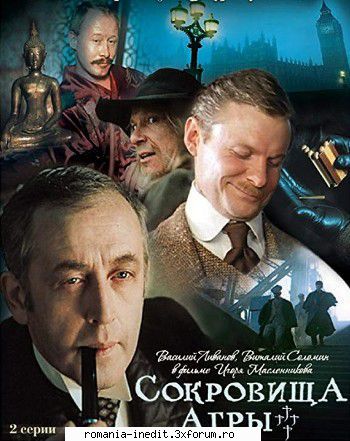
Episodul 4.2 Tezaurul din Agra (1983)
«Сокровища Агры» (Sakrovișcia Agrî)
bazat pe: The Sign of the four; A scandal in Bohemia
26.11.2019
43.1KB
Multumiri ! :hi:
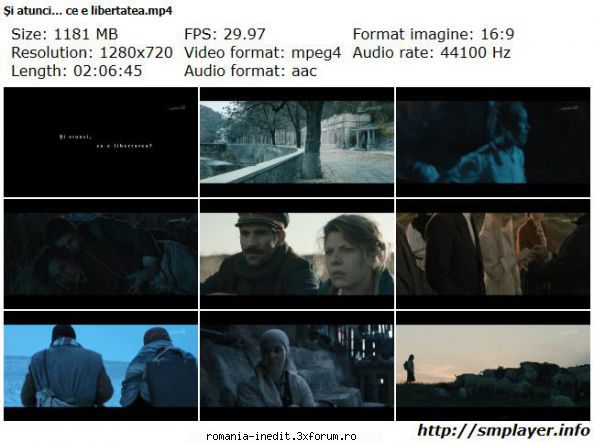
Si atunci… ce e libertatea? (2020)
So, What's Freedom?
Projects from the Past
23.01.2023
45.6KB
Deci e superba eu am scos deja 4 la imprimanta sa dau pe la prieteni
Download